
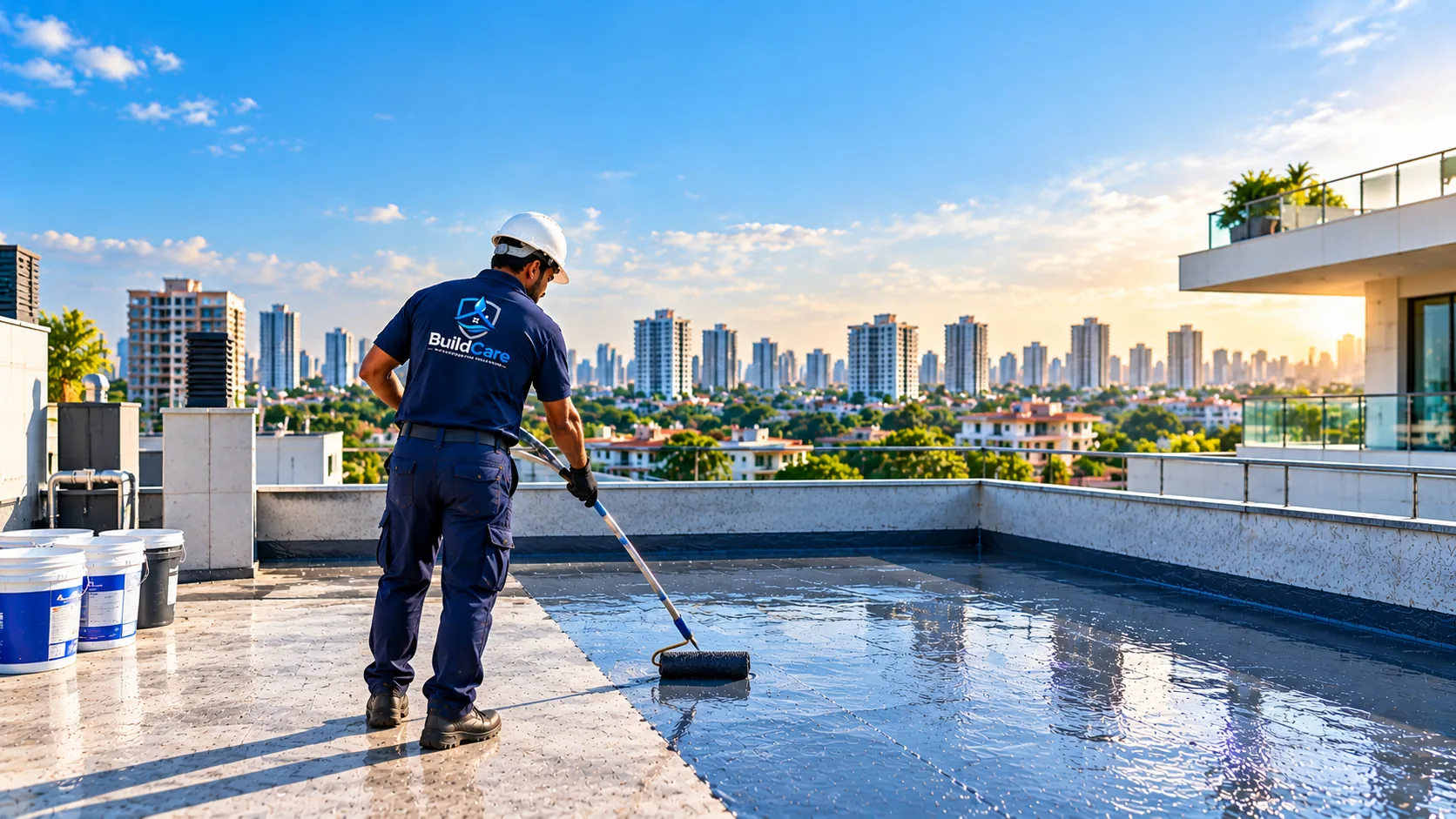
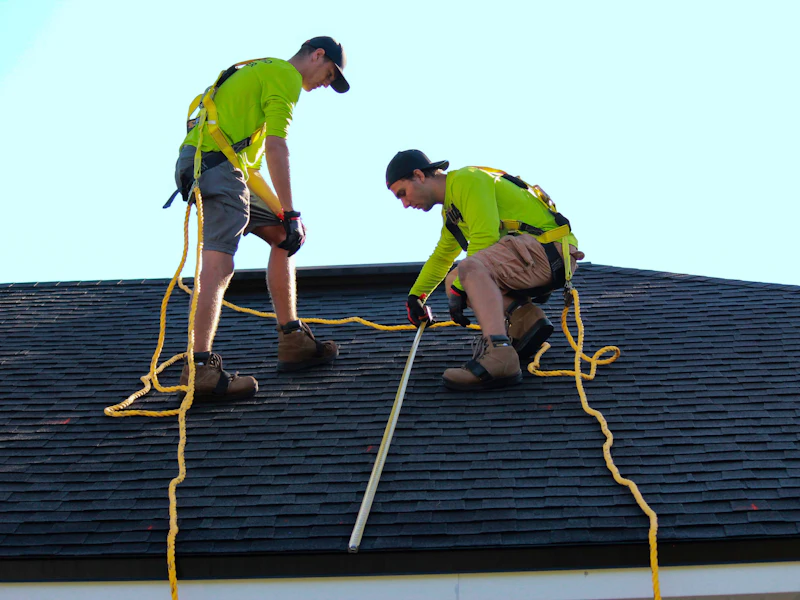
Buildcare waterproofing technician applying a waterproofing membrane to an exposed terrace at golden hour
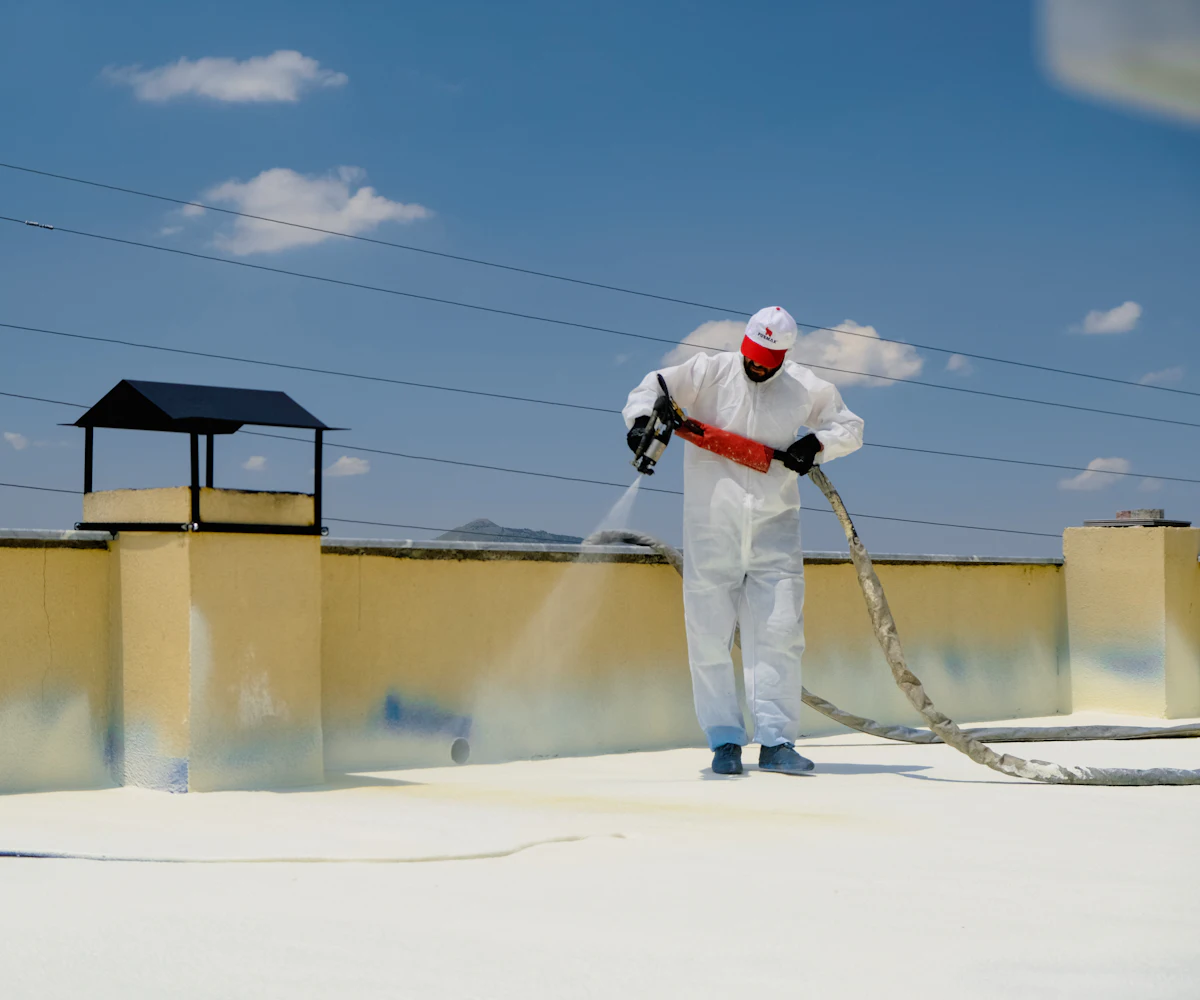
Waterproofing being spray-applied to a terrace surface
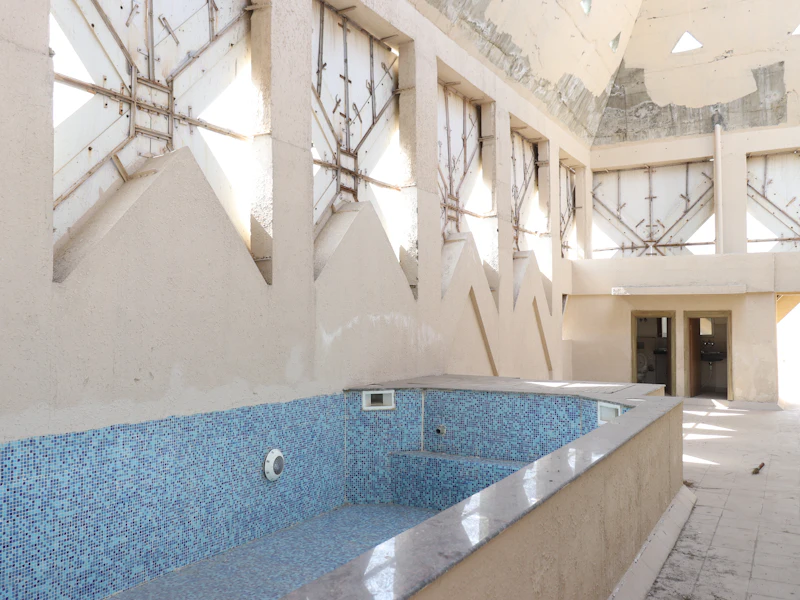
Waterproofed swimming pool with a blue coated tank and tiled deck
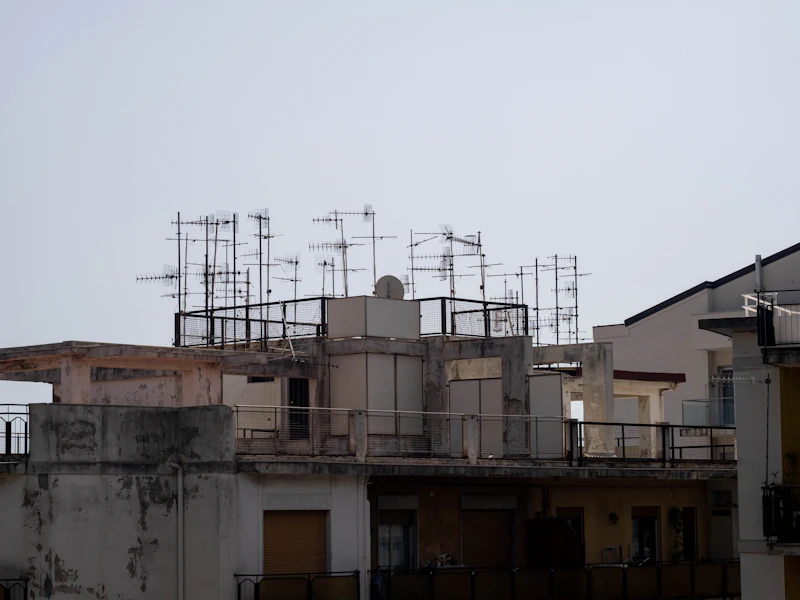
Terrace of an apartment building under preparation for waterproofing
Roof surface prepared for waterproofing treatment
Terrace & Roof Waterproofing

Terrace Waterproofing Services for Homes and Buildings

Protect your property from rainwater leakage, damp patches and terrace cracks with professional terrace waterproofing services from Buildcare Waterproofing.

We help property owners address water seepage problems by identifying possible leakage sources and selecting suitable waterproofing methods for the surface and building conditions.

  • Site Inspection
  • Suitable Waterproofing Solutions
  • Quality Application
    • Site inspection before any recommendation
    • Materials selected for the surface and exposure
    • Joints, cracks and penetrations detailed
    • Residential and commercial properties
    The Basics

    What Is Terrace Waterproofing?

    Terrace waterproofing is the process of creating a protective barrier that reduces water penetration through an exposed roof or terrace surface. Depending on the building, this barrier may use a liquid-applied membrane, flexible cementitious coating, polyurethane membrane or another suitable waterproofing system.

    A properly planned terrace waterproofing treatment addresses more than the visible leak. It considers the condition of the concrete, existing coatings, surface cracks, drainage slope, parapet-wall junctions and pipe penetrations.

    For example, applying a new coating over a cracked surface without repairing the underlying defects may not solve the problem. Similarly, water that remains standing on the terrace because of poor drainage can place additional stress on the waterproofing system.

    The right solution depends on the actual cause of leakage, the surface finish, exposure to sunlight and the intended use of the terrace.

    New build or repair?

    Whether you are planning waterproofing for a new concrete terrace or looking for an existing terrace leakage repair, the first step is understanding the condition of the surface. Request a terrace inspection and we will advise the correct scope.

    The protective barrier

    A continuous layer — liquid-applied, cementitious, polyurethane or another suitable system — that reduces the amount of water able to pass through the terrace slab.

    What the system depends on

    Concrete condition, existing coatings, crack width, drainage slope, parapet junctions, pipe penetrations, sunlight exposure and whether the terrace will later receive tiles, screed or a terrace garden.

    Where it usually fails

    At the junction between the terrace and the parapet wall, around drainage and service pipes, at construction joints and on cracked concrete — not in the middle of the slab.

    Early Warning Signs

    Signs Your Terrace Needs Waterproofing

    Recognising early warning signs can help you arrange an inspection before further damage occurs.

    • Water leakage after rainfall Water drops or wet patches appear on the ceiling below the terrace.
    • Damp ceiling and walls Moisture spreads across the top-floor ceiling or upper sections of walls.
    • Peeling paint Paint bubbles, flakes or loses adhesion because of moisture.
    • Visible terrace cracks Cracks appear in the concrete surface, near parapet walls or around pipe openings.
    • Water stagnation Rainwater remains in low areas instead of flowing towards drainage outlets.
    • Recurring leakage after repairs The same damp patch returns even after repainting or applying a temporary sealant.

    These symptoms can have different causes

    A professional inspection helps distinguish terrace waterproofing failure from plumbing leaks, tank overflow or other sources of moisture. Repainting the ceiling without identifying the source only hides the problem for a while.

    Diagnosis

    Common Causes of Terrace Leakage

    Understanding why water enters a building is important when selecting a roof waterproofing treatment.

    1. Cracks in the Concrete Slab

      Temperature changes, structural movement, shrinkage and surface deterioration can contribute to cracking. Water may enter through these openings and travel into the ceiling below.

    2. Damaged or Ageing Waterproofing

      An existing membrane or coating can deteriorate, lose adhesion or develop cracks. Applying a new system may require removing loose material and repairing the affected areas first.

    3. Poor Drainage and Standing Water

      Incorrect slopes, blocked outlets and uneven terrace surfaces can cause water to collect. Drainage problems should be corrected as part of the overall waterproofing plan.

    4. Weak Joints and Pipe Openings

      The junction between a terrace and a parapet wall, drainage pipes, service penetrations and construction joints can become vulnerable points when they are not properly sealed.

    5. Unresolved Leakage Sources

      A leaking overhead water tank, supply pipe or rainwater drain can produce damp patches that resemble terrace leakage. Identifying the source before starting repairs helps avoid unnecessary treatment.

    Systems

    Advanced Terrace Waterproofing Methods

    Different terraces require different waterproofing systems. Buildcare can assess the surface and recommend an appropriate method based on the site condition and intended use.

    Liquid-Applied Waterproofing Membrane

    Liquid-applied membranes form a continuous protective layer when correctly applied and cured. Depending on the product, these systems may offer flexibility, weather resistance and suitability for exposed roof surfaces.

    Exposed terraces · New and re-coating

    Polyurethane Waterproofing

    Polyurethane, commonly called PU waterproofing, can provide a flexible membrane with useful crack-bridging and weather-resistance properties when the selected product is designed for the application. Surface moisture, preparation, UV exposure and the manufacturer's application requirements must be considered.

    Flexible membrane · Crack bridging

    Acrylic Waterproofing Coating

    Suitable acrylic waterproofing products can be used on certain exposed terrace and roof surfaces. Some formulations offer weather resistance and reflective properties that may help reduce solar heat absorption. Performance depends on the product specification and installation quality.

    Reflective · Heat-reducing options

    Polymer-Modified Cementitious Waterproofing

    Flexible cementitious systems are used in suitable applications, including beneath protective screeds or tiles. The selected product must be appropriate for the substrate and exposure conditions.

    Under screed or tile finishes

    Reinforcement and Joint Treatment

    Cracks, corners, joints and pipe penetrations may require compatible sealants, reinforcing mesh or specialised repair materials. These details help maintain continuity in the waterproofing layer — and are often the difference between a system that lasts and one that fails at the first joint.

    Detail work · Included in most terrace scopes

    Important

    No single method is suitable for every terrace. Product selection, application thickness, curing time and any protective layer should follow the manufacturer's current technical instructions. Asian Paints terrace and tank guidance and Weber PU waterproofing information describe examples of available membrane technologies.

    How We Work

    Our Terrace Waterproofing Process

    Buildcare follows a site-specific approach to terrace waterproofing rather than relying only on the visible symptoms.

    1. Step one

      Site Inspection

      The terrace is assessed for cracks, damaged coatings, damp areas, drainage problems and possible leakage points. The inspection may also consider overhead tanks, pipe connections and the ceiling beneath the affected area.

    2. Step two

      Surface Preparation

      Dust, loose coatings and unsuitable material are removed as required. Cracks, weak sections and relevant joints are repaired using compatible materials before the waterproofing system is applied.

    3. Step three

      Waterproofing Application

      The selected primer, membrane or coating is applied according to the product specifications. Particular attention is given to corners, parapet-wall junctions, drainage outlets and service penetrations.

    4. Step four

      Curing and Quality Checks

      The system is allowed to cure for the required period. Where appropriate, the work may include a controlled water test or another suitable inspection method before the terrace is returned to service.

    Common Situations

    Illustrative Terrace Leakage Scenarios

    The following examples describe common situations that property owners may encounter.

    Scenario 1

    Top-Floor Ceiling Leakage During the Monsoon

    A homeowner notices a brown patch on the bedroom ceiling every time heavy rain occurs. Repainting the ceiling improves its appearance temporarily, but the stain returns.

    The situation
    The same patch reappears after every heavy spell of rain.
    Appropriate response
    Inspect the terrace above, check cracks and drainage, examine vulnerable joints and identify the water entry route before deciding on a waterproofing treatment.
    Scenario 2

    Water Collecting on a Flat Terrace

    Rainwater remains in a low section of the terrace for several hours after rainfall. The coating is visibly worn in places.

    The situation
    Water ponds in low areas long after the rain has stopped.
    Possible solution
    Clear blocked outlets, correct drainage problems and repair the existing waterproofing system. A coating alone may not resolve persistent ponding caused by an unsuitable slope.
    Scenario 3

    Leakage Around a Pipe or Parapet Wall

    Moisture appears near the edge of a room or below a terrace pipe connection. The main terrace surface appears mostly intact.

    The situation
    Dampness is localised to a pipe penetration or wall junction.
    Inspection focus
    The pipe penetration, joint or wall junction. Localised repairs may be suitable if the rest of the waterproofing system remains sound; wider deterioration may require more extensive work.

    A note on these examples

    These are illustrative scenarios, not claims about completed Buildcare projects. Every terrace is inspected on site before a method and scope are recommended.

    Why Buildcare

    Why Choose Buildcare Waterproofing?

    Choosing the right waterproofing contractor involves more than comparing the initial quotation. The proposed treatment should match the actual problem and the condition of the property.

    • Problem-focused inspection Identify possible leakage sources before recommending a solution.
    • Suitable material selection Consider the surface, exposure, drainage and intended use.
    • Attention to vulnerable areas Include relevant joints, cracks, corners and drainage outlets.
    • Clear work recommendations Understand the proposed treatment, preparation and curing requirements.
    • Residential and commercial applications Explore suitable solutions for homes, apartments and other building types.
    • Service availability assessment Contact Buildcare to confirm whether your location in Telangana or Andhra Pradesh is covered.
    Pricing

    Terrace Waterproofing Cost: What Affects the Price?

    The cost of terrace waterproofing depends on the terrace area, the condition of the existing surface, the type of waterproofing system, the extent of crack repair and whether tiles, screed or old coatings need removal.

    Additional work may be necessary when the terrace has drainage issues, damaged concrete, difficult access or extensive joint repairs. A small localised repair and complete terrace waterproofing are therefore unlikely to have the same scope or price.

    For a useful quotation, share your property location, approximate terrace area, photographs of the affected surface and details of any existing leakage. An inspection may be needed before the final treatment and cost can be confirmed.

    Fastest way to get an accurate price

    Send a few photographs and the approximate terrace area using the form below. It takes a couple of minutes and saves a site visit before the scope can be priced.

    What affects the final quote

    • Total terrace area and number of levels involved
    • Selected waterproofing system and coverage thickness
    • Condition of the concrete slab and existing coatings
    • Extent of crack, joint and penetration repairs
    • Removal of old tiles, screed or debris
    • Drainage correction and access difficulty

    Best time to schedule the work

    Inspection and planning before the rainy season is advisable where possible, since the application needs conditions that meet the selected product's requirements for surface moisture, weather and curing.

    Free Inspection

    Request a Terrace Waterproofing Quote

    Share a few details about your terrace and the leakage you are facing. We will follow up to arrange an inspection and confirm the scope and cost.

    Prefer to talk? Call [PHONE_NUMBER] or message us on WhatsApp. Service availability depends on location and project schedules.

    Answers

    Frequently Asked Questions

    Which terrace waterproofing method is best?

    The best method depends on the terrace surface, existing damage, sunlight exposure, drainage and whether the surface will remain exposed or receive tiles or screed. A site assessment helps determine the suitable system.

    Can terrace leakage be repaired without removing tiles?

    In some cases, waterproofing may be possible over existing tiles if they are stable and the selected system is compatible. Loose tiles, damaged joints, underlying membrane failure or significant cracks may require removal and additional repairs.

    How much does terrace waterproofing cost?

    The price depends on the area, material, surface preparation, crack repairs and application method. Contact Buildcare with your location and terrace details for a quotation based on the actual scope of work.

    When should terrace waterproofing be done?

    It is advisable to inspect and plan repairs before the rainy season where possible. The application should take place under conditions that meet the selected product's requirements for surface moisture, weather and curing.

    Does terrace waterproofing stop ceiling dampness?

    It can address dampness caused by water entering through the terrace, provided the source is correctly identified and treated. Plumbing leaks, tank leakage and other moisture sources need separate investigation.

    How long does terrace waterproofing last?

    There is no single lifespan for every waterproofing system. Longevity depends on the product, application quality, weather exposure, movement, drainage and maintenance. Follow the product guidance and arrange inspections when signs of leakage return.

    Do you provide terrace waterproofing services in Telangana and Andhra Pradesh?

    Buildcare serves customers seeking waterproofing solutions across these states, subject to location and project availability. Contact the team to confirm service availability for your property.

    Get Professional Terrace Waterproofing Assistance

    Do not rely on repainting or temporary sealing when terrace leakage keeps returning. Identifying the source of water entry is an important first step towards selecting a suitable repair. Contact Buildcare Waterproofing to discuss terrace waterproofing, roof leakage repair, concrete terrace protection and water seepage treatment for your property in Telangana or Andhra Pradesh.

    Call WhatsApp Free Quote